8 hr
Dibba Al-Fujairah Snorkeling Adventure from Dubai
- Expert local guide
- Small group
- Skip-the-line access
- Free cancellation
Dibba Fujairah Snorkeling — Coral Reefs & Sea Turtle Encounters
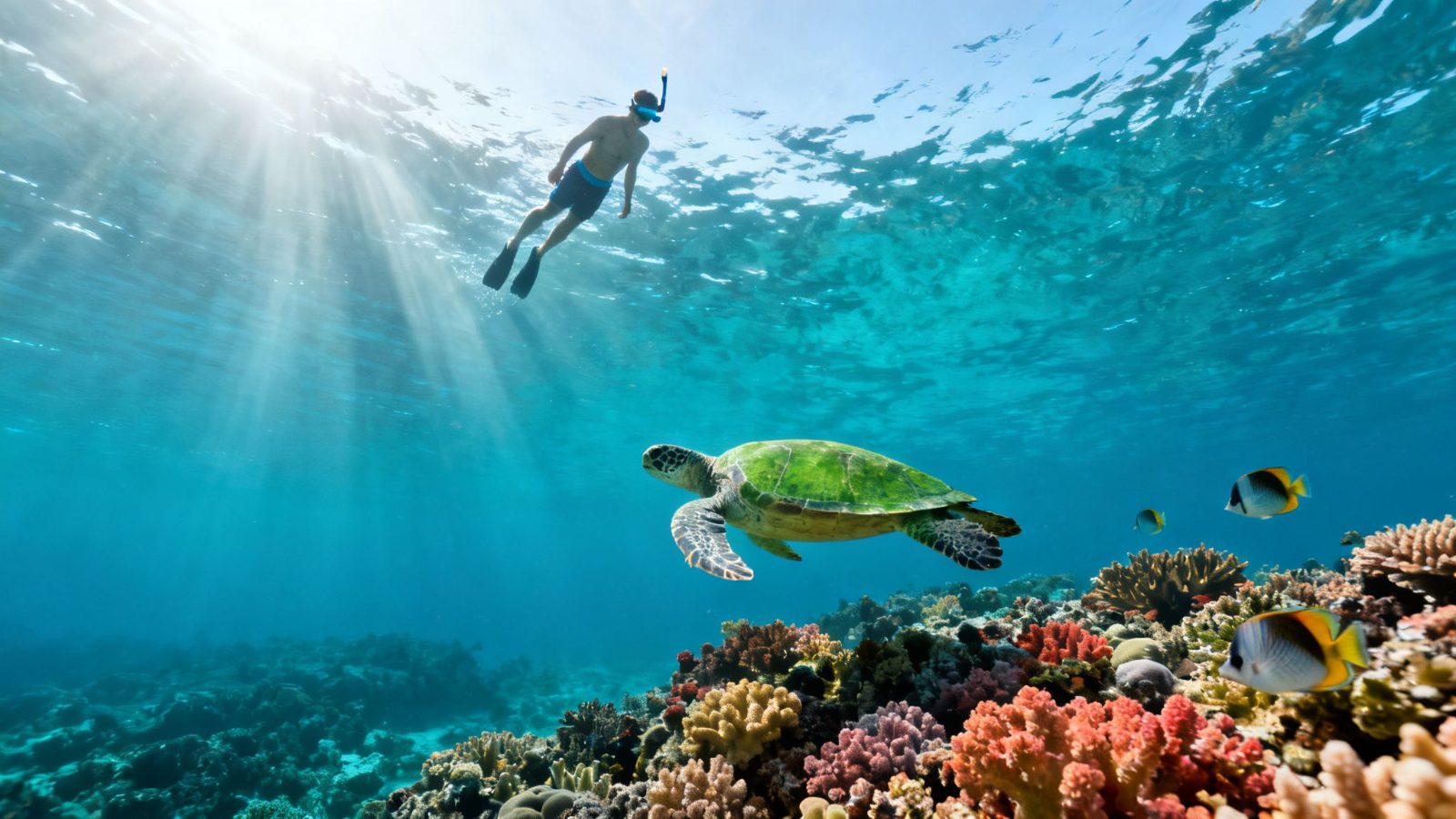
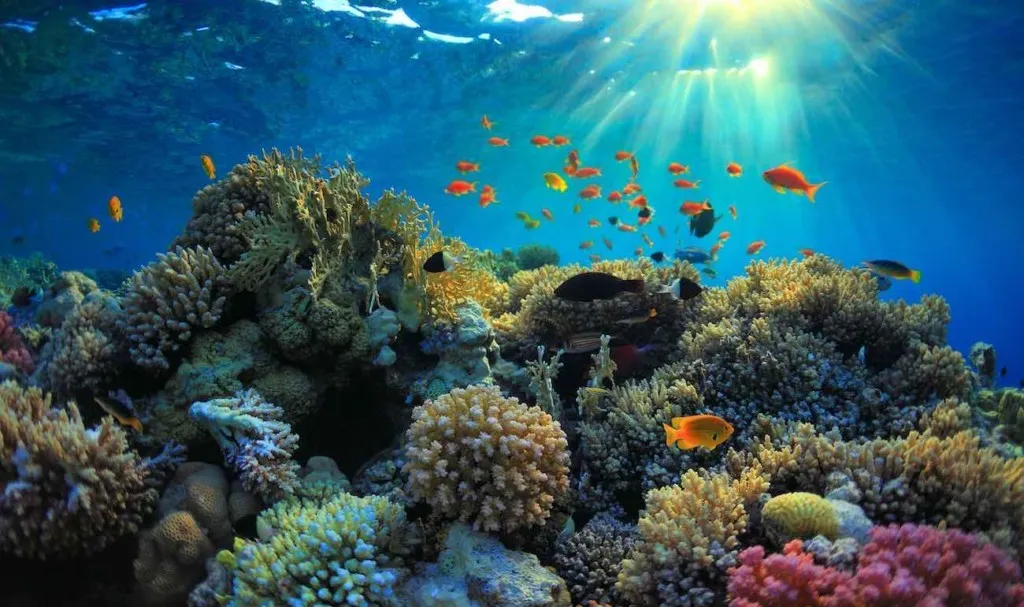
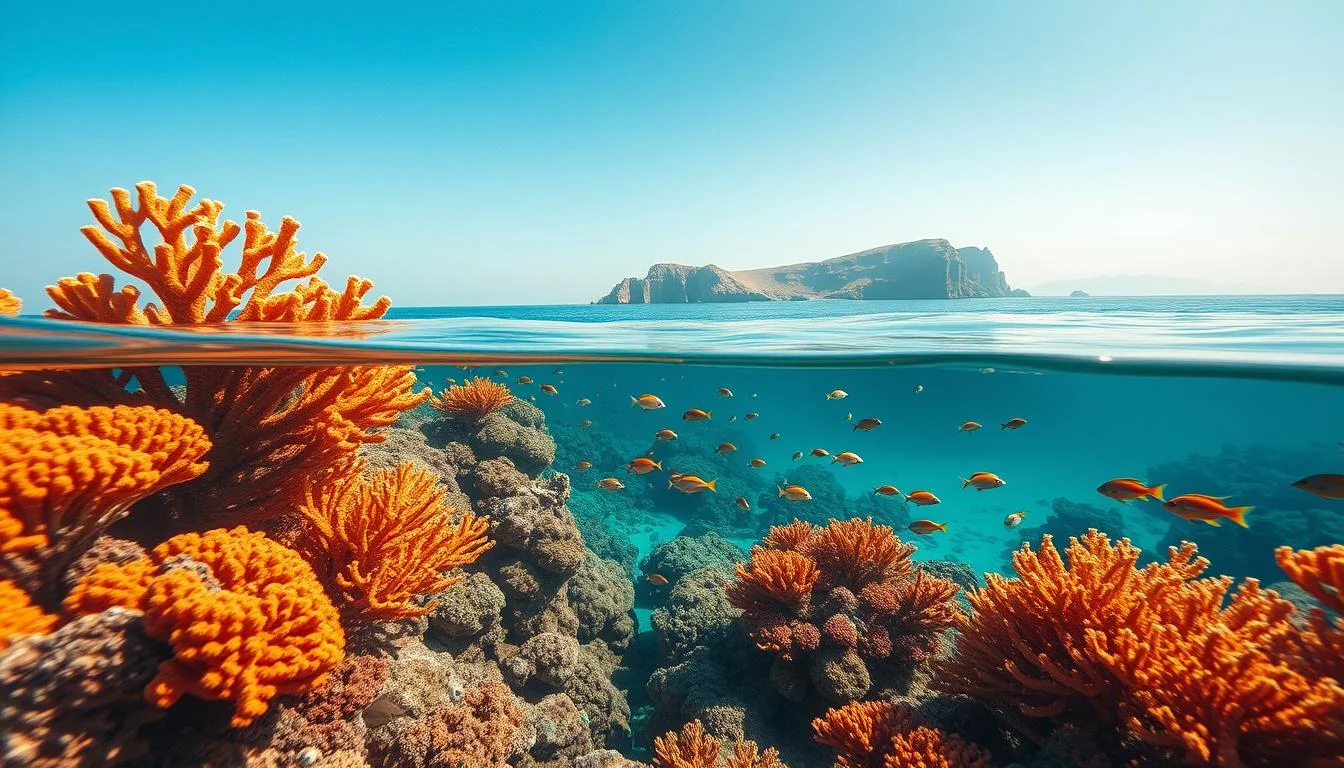
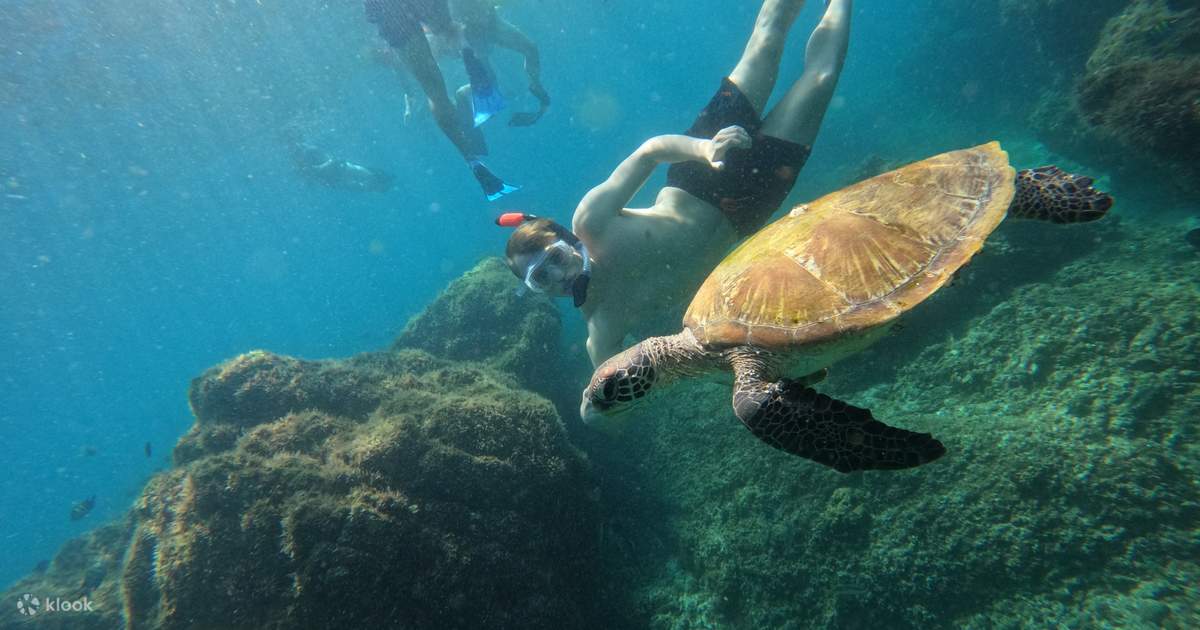
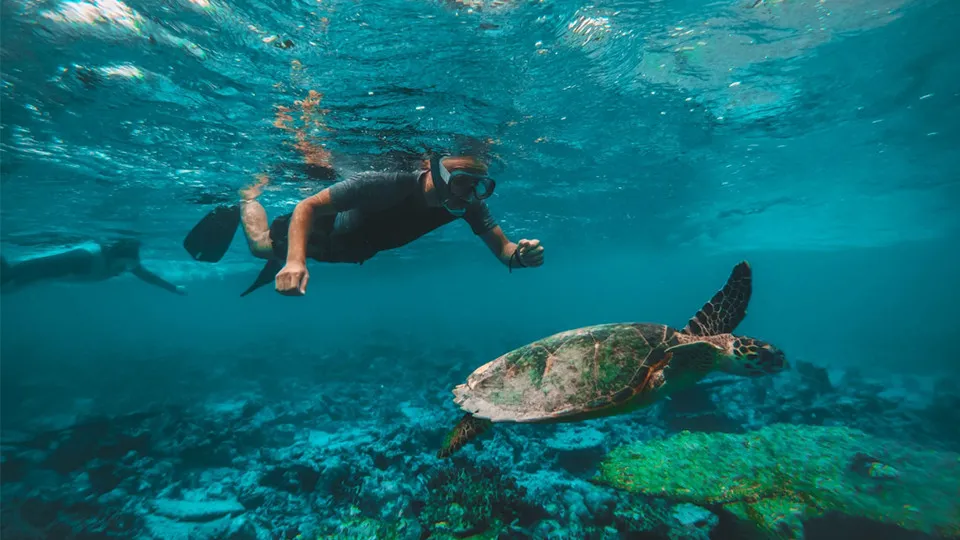
Crystal waters meet volcanic cliffs, where green turtles glide over gardens of staghorn coral.
Compare fares, pick the fit — all bookings are mobile-voucher and eligible for free cancellation where shown.
8 hr
10 hr
8 hr
| Experience | From | Duration | Rating | Skip-the-line | Guide | Small group | Price | |
|---|---|---|---|---|---|---|---|---|
|
Guided Experience
Most popular
Dibba Al-Fujairah Snorkeling Adventure from Dubai
|
Dubai | 8 hr | ★ 4.5 | ✓ | ✓ | ✓ | €65 | Book → |
|
Guided Experience
Fujairah Snorkeling Adventure with Sea Turtles from Dubai
|
Dubai | 10 hr | ★ 4.6 | ✓ | ✓ | ✓ | €119 | Book → |
|
Guided Experience
Fujairah Scuba Diving & Snorkeling Day Trip from Dubai
|
Dubai | 8 hr | ★ 4.6 | ✓ | ✓ | ✓ | $118 | Book → |
Worth it for marine life enthusiasts
Dibba Fujairah snorkeling delivers exceptional value if you're after clear waters and abundant marine life on the UAE's east coast. The public beach itself charges no entrance fee, though most visitors book organized tours that include equipment, transport from Dubai, and expert guides who know the best coral sites. Packages range from half-day adventures to full-day trips combining snorkeling with scuba diving, typically priced between 250-450 AED depending on inclusions. The real draw is the underwater biodiversity: sea turtles, reef sharks, and colorful coral gardens thrive in waters far clearer than the Arabian Gulf. Visibility regularly exceeds 10 meters, especially during early morning sessions. Independent snorkelers can access Dibba Beach directly and rent gear locally, cutting costs to under 100 AED. The experience pays off for anyone seeking quality marine encounters without flying to the Maldives—Fujairah's east coast reefs rival regional destinations at a fraction of the cost and travel time.
Bottom line: Dibba fujairah snorkeling tours offer the UAE's best shore-accessible marine life at honest prices, worth every dirham for underwater enthusiasts.
They complement each other; most visitors who do both call Snoopy Island the more accessible shore dive, while Dibba provides a broader marine wilderness experience.
|
Top pick Dibba Waters |
Snoopy Island | |
|---|---|---|
| Access Type | Boat required | Shore entry |
| Marine Life Variety | Coral reefs and schools | Turtles and reef fish |
| Boat Required | Yes | No |
| Water Conditions | Open ocean currents | Calm sheltered bay |
| Typical Crowd Levels | Low | High |
| Underwater Visibility | High | Moderate |
| See tickets & prices |
Verdict: Choose the Dibba Fujairah snorkeling tour for deeper, isolated reefs, or select Snoopy Island if you prefer convenient shore-based aquatic exploration with dibba fujairah snorkeling tickets reserved for your preferred excursion date.
Hand-picked experiences loved by thousands of travelers
8 hours
Free Cancellation
Explore Gulf of Oman reefs and swim with sea turtles on this beginner-friendly diving and snorkeling combo
4 hours
Free Cancellation
Dive into crystal-clear waters to encounter turtles, rays, and vibrant coral reefs on this family-friendly excursion
Full day (9am to 6pm)
Free Cancellation
All-day watersports adventure at Sandy Beach with snorkeling, kayaking, and paddleboarding
3 hours
Free Cancellation
Dive into crystal-clear waters and discover colorful coral gardens on this guided boat excursion
12 hours
Free Cancellation
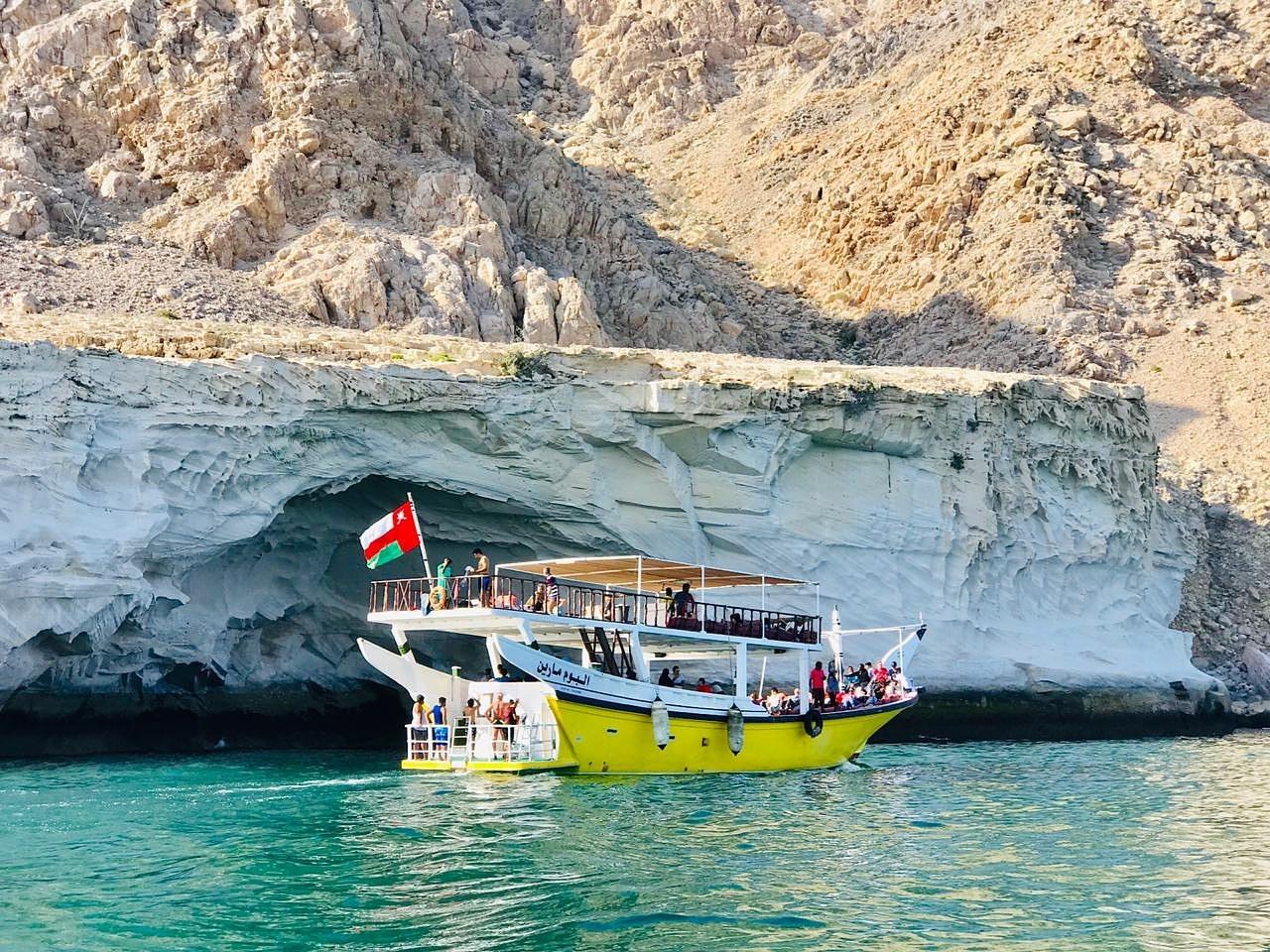
Full-day Arabian fjords adventure with traditional dhow sailing, snorkeling, cave exploration, and water sports
8 hours
Free Cancellation
Discover Sharjah's cultural landmarks and the UAE's stunning East Coast on an 8-hour guided journey
6 hours
Free Cancellation
Trade city bustle for mountain roads, ancient forts, and eastern shores on this guided day trip.
8 hours
Free Cancellation
Journey through Fujairah's heritage sites, mountain valleys, and coastal watchtowers with passionate Emirati hosts
Dibba Rock Snorkeling
Colorful underwater coral views
Dhow boat in coastal cove
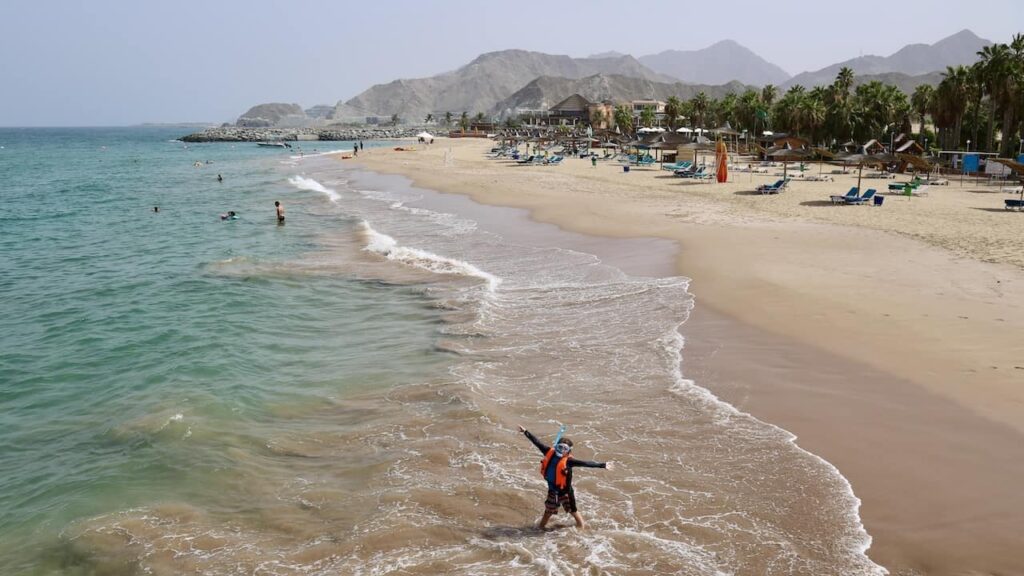
You meet your group at the public beach in Dibba Al-Fujairah as the sun clears the Hajar ridgeline, typically between 7:00 and 8:30 depending on your tour selection. After a safety briefing and mask fitting, you wade into water that starts at waist depth and remains warm year-round.
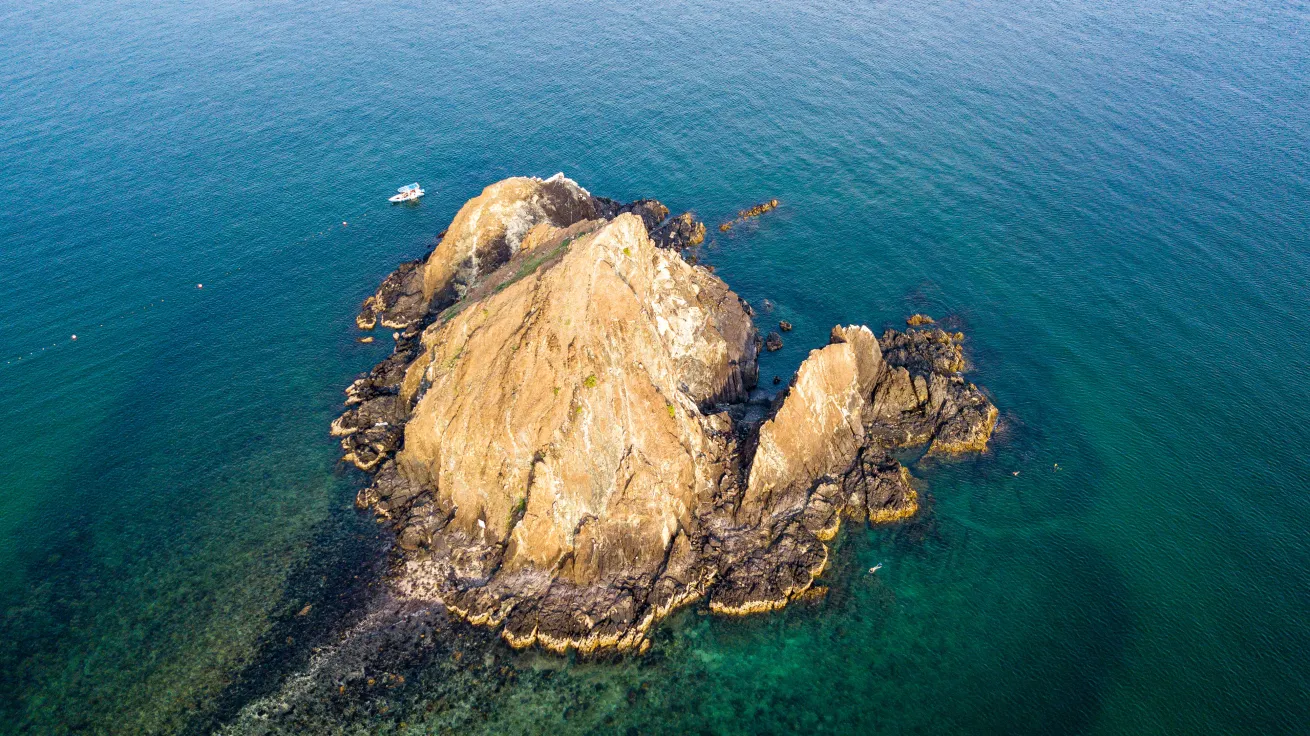
The first snorkel site lies a short boat ride offshore, often at Snoopy Island where the volcanic rock rises sharply from the seabed.
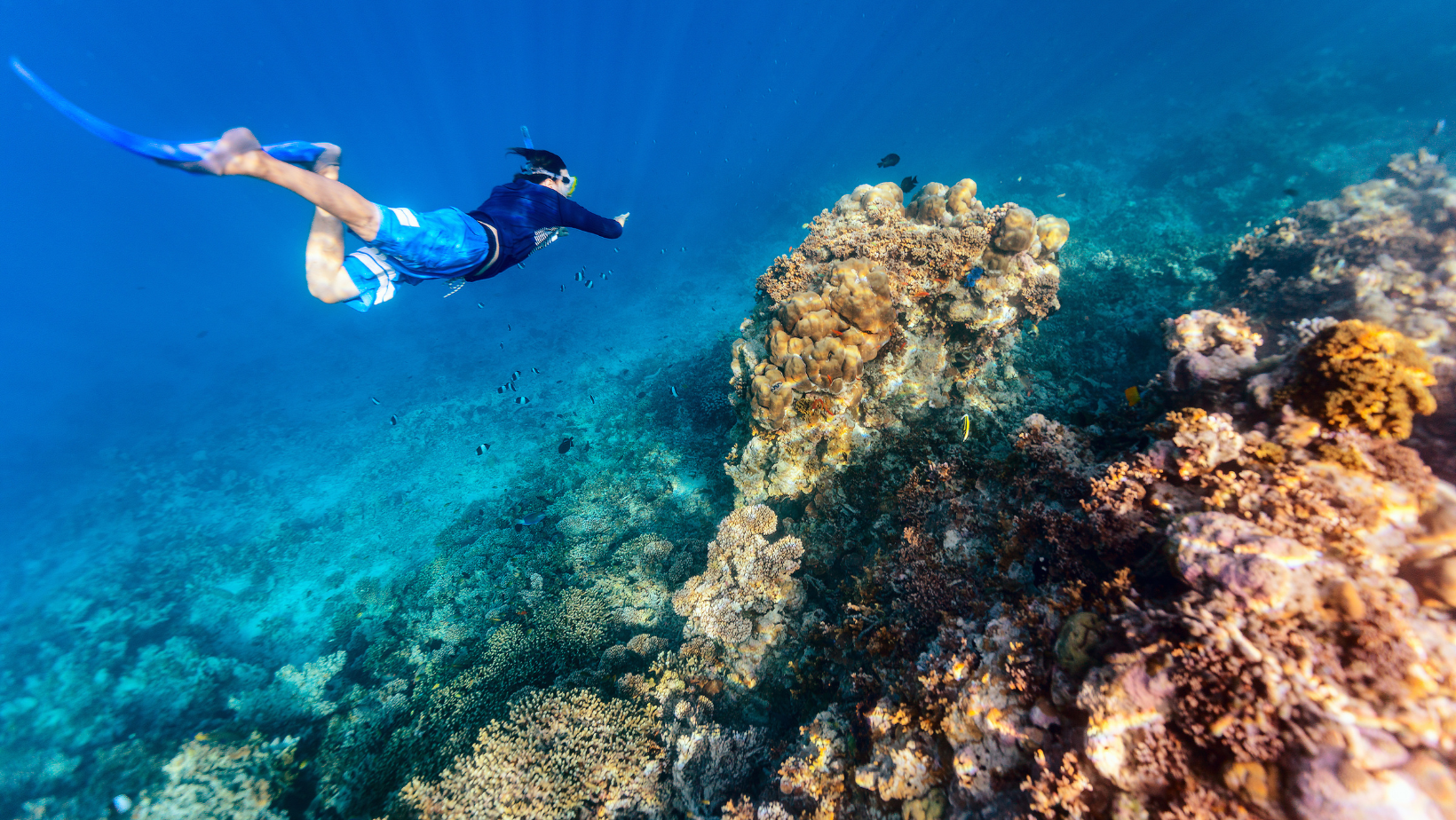
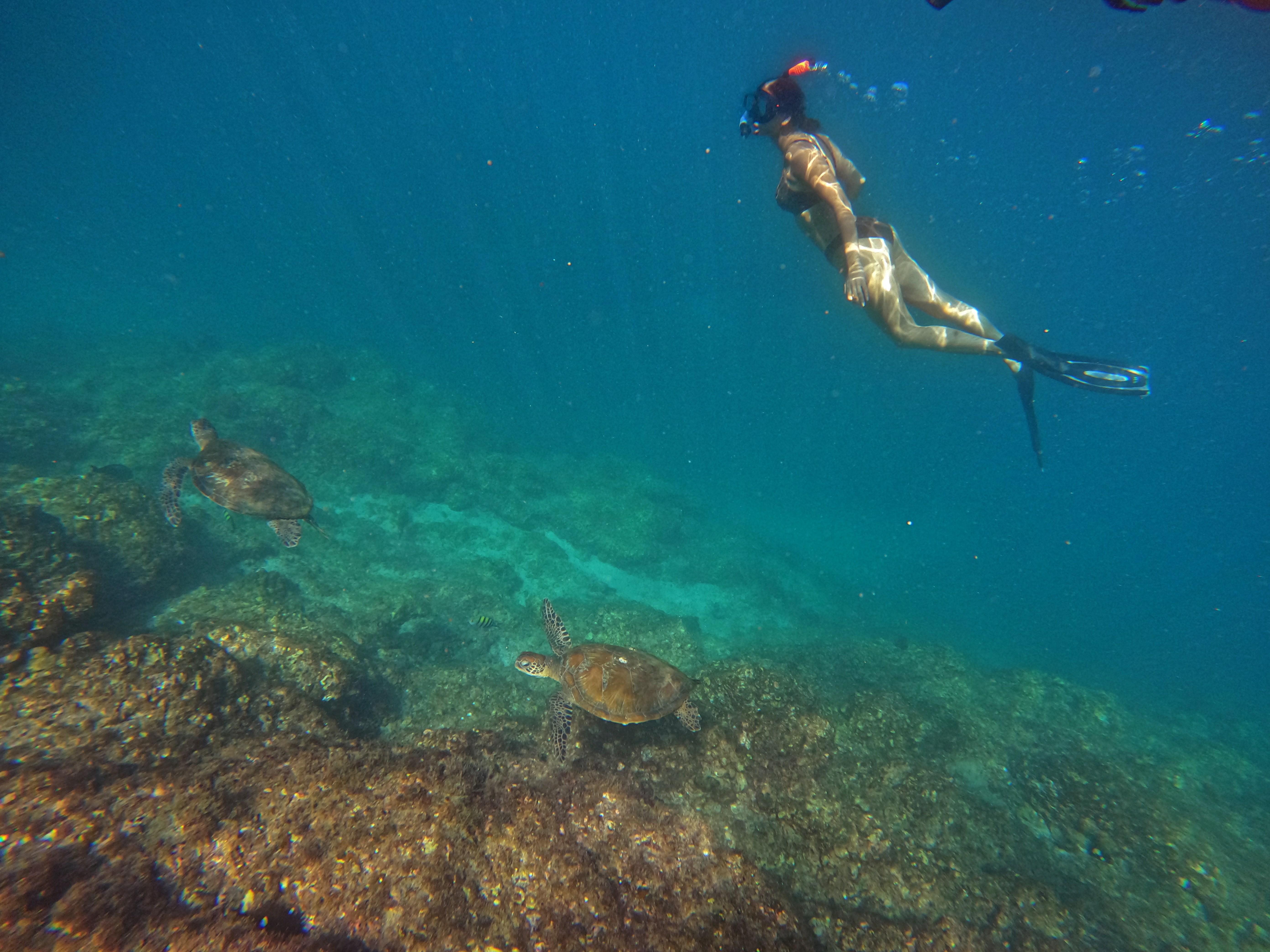
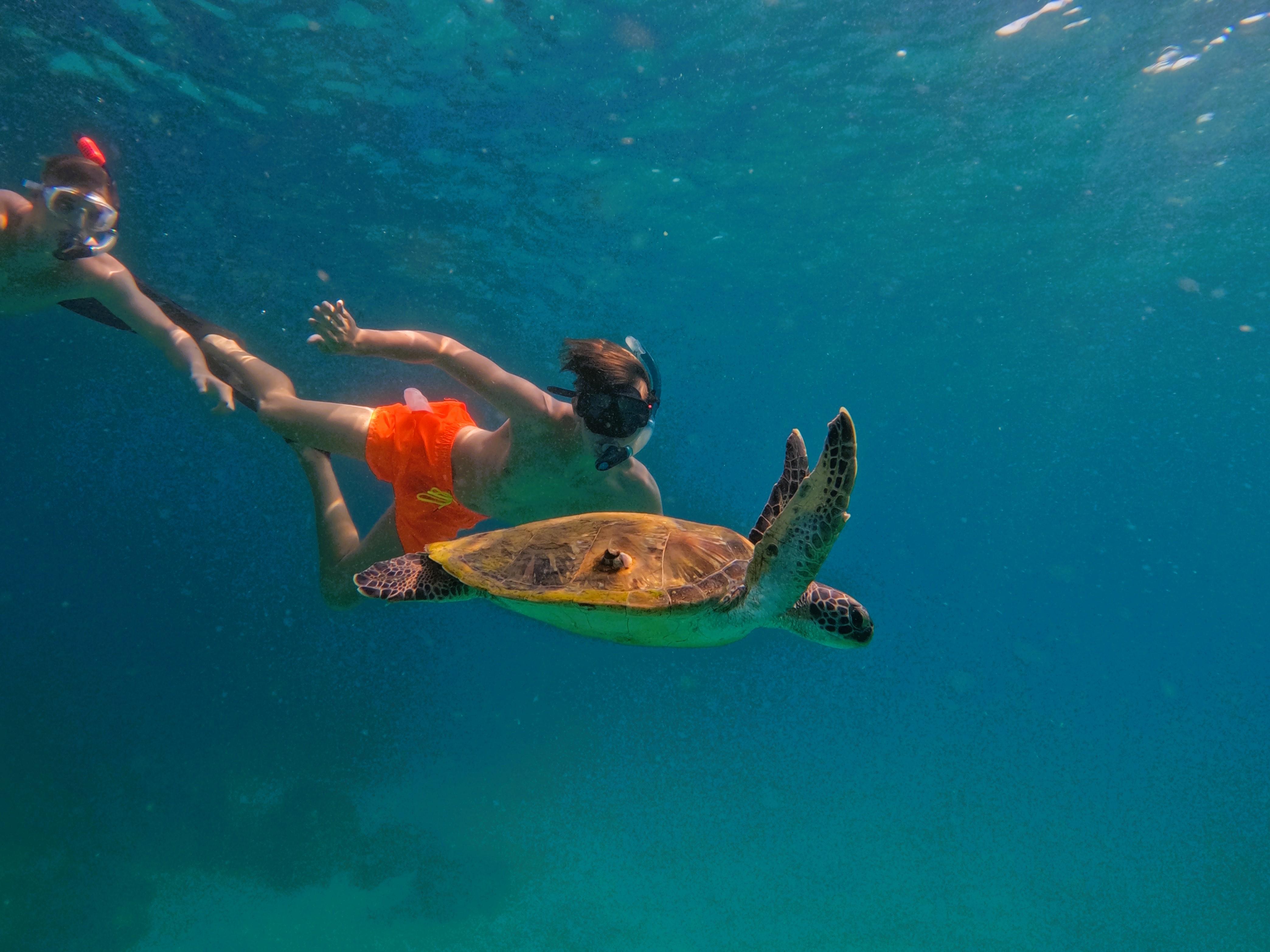
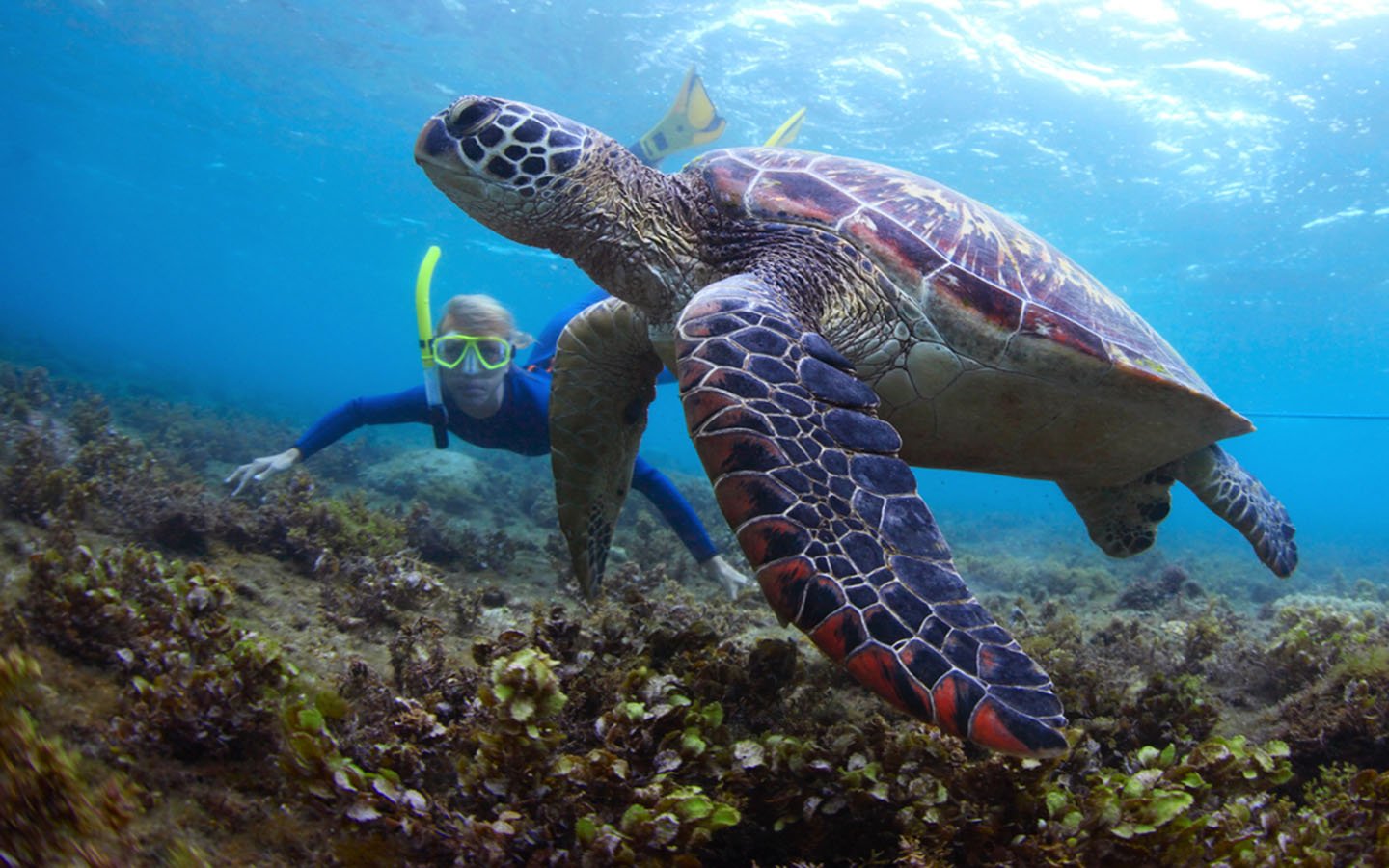
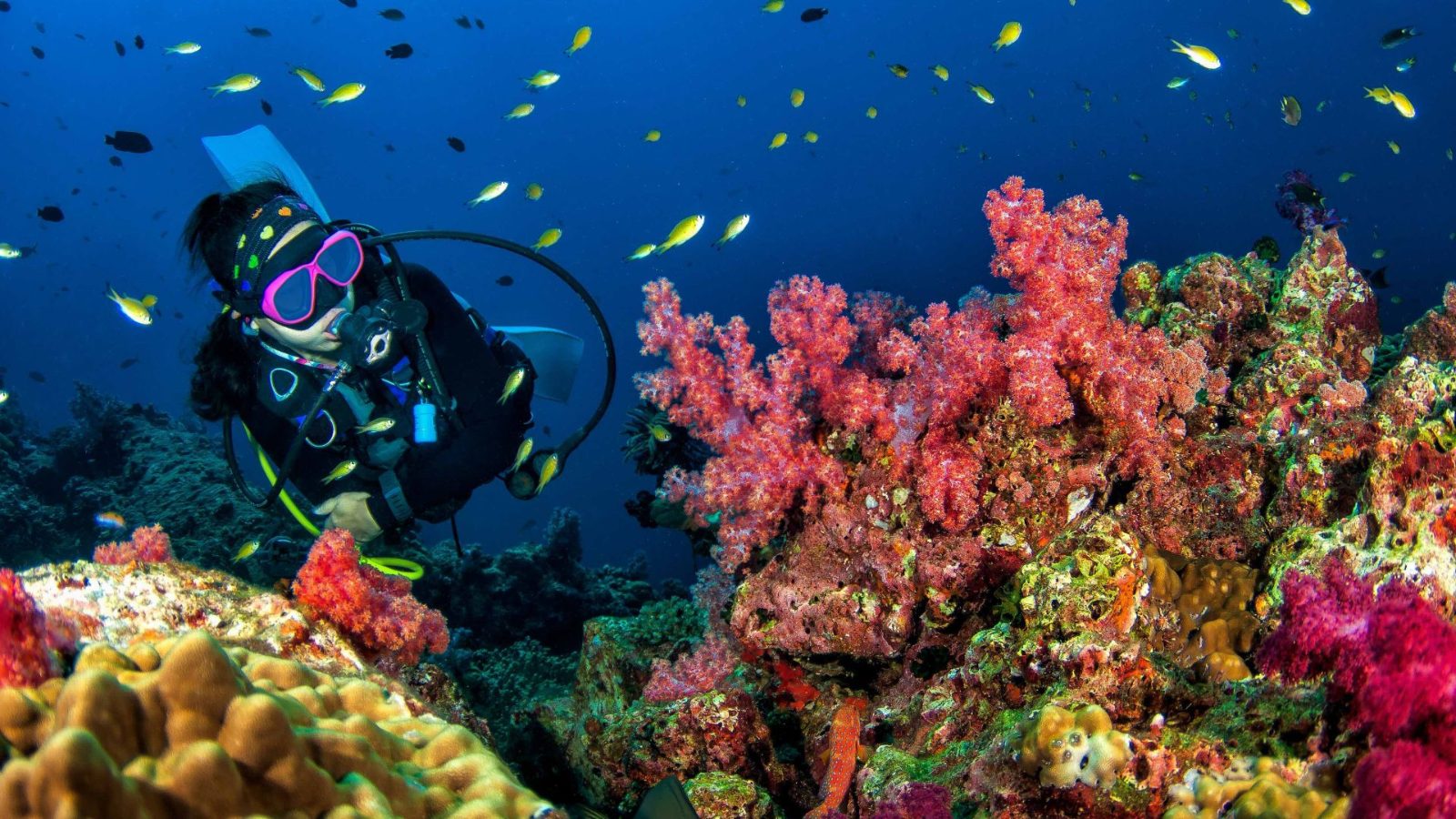
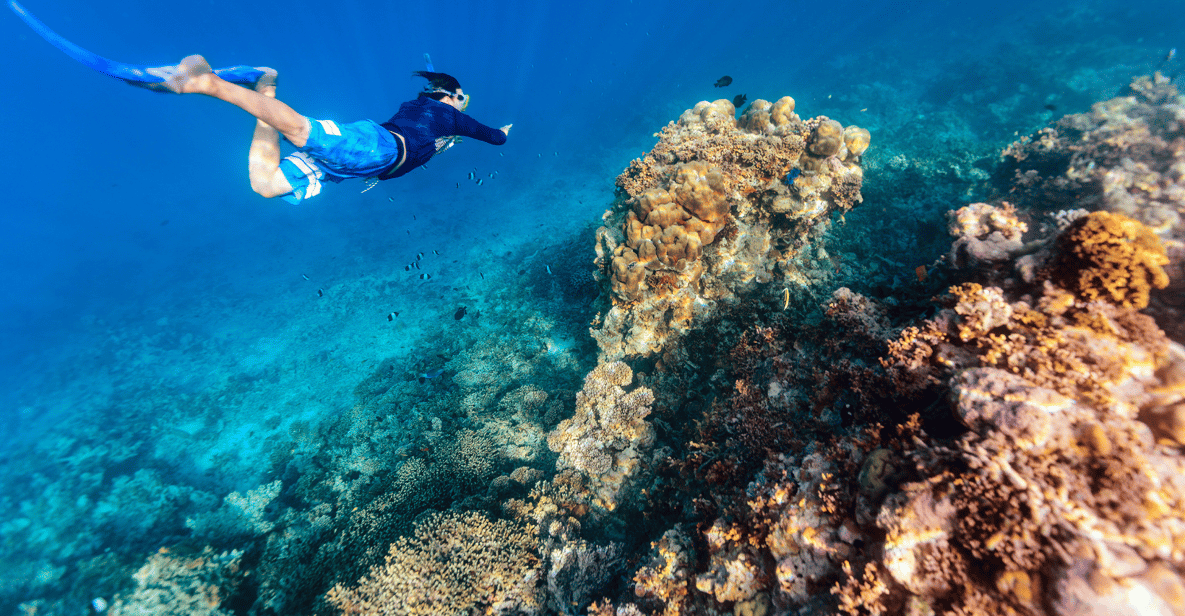
You descend into visibility that stretches fifteen metres on calm mornings, revealing staghorn coral formations and schools of sergeant majors threading between the branches. Within minutes you spot your first green turtle, its shell mottled with algae, grazing methodically on seagrass. Your guide signals toward a moray eel protruding from a crevice, then points out a blue-spotted stingray half-buried in sand. The second site usually features a wall or boulder field where you drift along the contour, watching lionfish hover near ledges and parrotfish scrape algae from rock faces.
Most half-day tours include a surface interval with fresh fruit and water before the return crossing. You finish by mid-morning, when winds are still light and the Gulf remains glassy, carrying clear memories of the coral gardens and the slow, deliberate paddling of sea turtles navigating their feeding grounds.
All the details about your upcoming adventure in one place
The Gulf of Oman drops to depths exceeding 3,000 metres within twenty kilometres of Dibba's coastline, creating nutrient-rich upwellings that sustain the Hajar Mountain coastline's coral gardens and pelagic migrations.
Dibba Al-Fujairah sits at the northernmost point of the emirate where jagged Hajar cliffs meet a narrow coastal plain, and where the protected waters between rocky outcrops have fostered one of the UAE's most biodiverse shallow-water ecosystems. The reef systems here support over 80 recorded coral species and 300 fish species, including seasonal visitors like whale sharks and manta rays that arrive during summer upwelling months.
Dibba fujairah snorkeling sites lie within a conservation zone established in 2011 to protect nesting green and hawksbill turtle populations. The volcanic substrate and minimal land runoff maintain visibility ranges of 10 to 25 metres year-round, conditions that have made these reefs a focal point for marine research and a baseline for Gulf reef health assessments. Staghorn and table corals dominate the shallows, while boulder corals anchor the deeper ledges where moray eels and octopuses shelter. The absence of major port infrastructure has preserved water quality rare along the UAE's eastern coast.
Operators launching from Dibba's public beach access six primary snorkeling zones, each defined by substrate type and depth profile. Snoopy Island, a limestone outcrop 300 metres offshore, hosts the highest concentration of green turtles, which feed on the seagrass beds flanking the rock's southern face. Martini Rock and Aqqa Bay offer wall dives beginning at three metres, where lionfish patrol crevices and schools of trevally circle in mid-water columns. The northern sites near the Omani border feature boulder fields interspersed with soft coral colonies, habitats preferred by nudibranchs and pipefish.
Day-trip itineraries from Dubai typically include two guided snorkel stops and equipment provision, with small-group tours capping at twelve participants to reduce reef contact. Peak visibility occurs during winter months when northwesterly winds subside, though water temperatures remain comfortable for snorkeling across all seasons. The combination of accessible depth ranges, protected status, and predictable marine life sightings has positioned these reefs as the UAE's premier shore-accessible snorkeling destination, rivaling sites in the Musandam Peninsula without requiring border crossings or overnight logistics.

The Gulf of Oman drops to depths exceeding 3,000 metres within twenty kilometres of Dibba's coastline, creating nutrient-rich upwellings that sustain the region's coral gardens.
Modest swimwear is expected on public beaches in Dibba Al-Fujairah. Cover-ups are recommended when moving away from the immediate shoreline into town.
Public areas have no formal security screening. Keep personal belongings secure while enjoying dibba fujairah snorkeling activities.
Photography is permitted in public spaces, but refrain from taking images of locals or private individuals without explicit consent.
Children are welcome for dibba fujairah snorkeling tours, provided they are under constant adult supervision. Life jackets are essential for young swimmers in open water.
The coastline consists of natural sand and rock, which may be challenging for wheelchair users. Most boat-based dibba fujairah snorkeling tours depart from accessible port areas.
No commercial facilities are available directly on most public beaches, though nearby Dibba Al-Fujairah cafes offer varied dining. Please dispose of all waste in designated bins.
Opening hours
00:00–23:59
Address
Dibba Al-Fujairah, Fujairah, United Arab Emirates
Accessibility
Beach access is public and open-air
Best arrival
06:00–10:30
Storage
No lockers provided at public access sites
Navigation
Follow coastal road signage to Dibba
Full refunds are typically available for pre-booked excursions when cancelled within the operator's specified window. Public beach access remains 0 AED.
Recommended time
4-6 hours
To maximize your experience, plan for a half-day excursion that allows sufficient time to reach remote coral reefs and enjoy the marine life. Engaging in dibba fujairah snorkeling during the best arrival window of 06:00–10:30 ensures calmer seas and superior water clarity before winds intensify. Most dibba fujairah snorkeling tours include equipment rental and boat transfers, meaning your visit duration largely depends on travel time to the dive sites. Booking your dibba fujairah snorkeling tickets in advance helps secure a spot on preferred vessels, as weekend crowds often increase demand for these underwater excursions.
Crowd levels through the day
The coastline around Dibba Al-Fujairah remained largely untouched by commercial development until the late twentieth century, when the UAE's federal infrastructure push reached the easternmost emirates. Dibba itself—a settlement divided among three jurisdictions since the seventeenth-century treaties—had long been a fishing port, its waters known to local communities for their clarity and the seasonal congregations of reef fish along the rocky shelf that extends northward from the harbor. The first documented recreational diving expeditions targeting these reefs appeared in the early 1980s, organized by expatriate dive clubs based in Sharjah and Dubai who valued the shorter drive compared to the more distant sites off Musandam. By the mid-1990s, a handful of dive centers had opened along the Fujairah coast, and the northern stretch near Dibba began attracting snorkelers who lacked technical certification but wanted access to the same marine environment. The 1998 coral bleaching event caused partial damage to shallow reefs across the Gulf of Oman, yet the deeper rocky outcrops near Dibba fujairah snorkeling sites proved more resilient, and recovery surveys in 2001 confirmed that fish populations had stabilized. Resort construction accelerated after 2005, and operators began offering guided snorkeling tours that combined equipment rental with boat transport to offshore reefs, establishing the area as a day-trip destination for both residents and tourists. The 2010s brought increased environmental scrutiny. In 2017, the Fujairah Environment Authority published new anchoring restrictions to protect remaining coral patches, and by 2019, several dive operators had adopted mooring buoy systems to minimize seabed impact. The COVID-19 closures of 2020 temporarily halted all marine tourism, but reopening protocols in late 2020 prioritized outdoor activities, and snorkeling excursions returned with reduced group sizes. Today, the rocky reefs and clear waters continue to draw visitors seeking underwater visibility and marine biodiversity within the emirate's northern coastal zone.
Dibba port divided among three jurisdictions following regional treaties
Expatriate dive clubs from Dubai and Sharjah begin organized expeditions to Dibba reefs
First commercial dive centers open along Fujairah coast, offering snorkeling access
Coral bleaching event causes partial damage; deeper Dibba reefs show greater resilience
Resort construction accelerates; guided snorkeling tours with boat transport become established
Fujairah Environment Authority issues anchoring restrictions to protect coral patches
COVID-19 closures halt marine tourism; reopening prioritizes outdoor water activities with reduced group sizes
Stand near the water's edge to capture the jagged silhouette of the island against the sunrise, which is a popular base for dibba fujairah snorkeling. Keep your camera low to the sand to emphasize the reflection of the rugged cliffs.
Position yourself facing the clear shallow waters to photograph vibrant coral fragments and local marine species, often included in dibba fujairah snorkeling tours. Ensure your waterproof housing is secure before entering the shallows.
This viewpoint offers a wide-angle perspective of the calm gulf waters, ideal for framing those participating in a dibba fujairah snorkeling tour. Use a polarizing filter to reduce glare on the surface.
Capture the intricate textures of sea fans and colorful fish found just meters from the shore, accessible via various dibba fujairah snorkeling tickets. The lighting is most consistent during the early morning hours.
Exploring the coast through a dibba fujairah snorkeling adventure offers children a chance to observe vibrant marine life in their natural habitat. Proper preparation ensures that families can safely enjoy these underwater explorations along the Fujairah shoreline.
Most providers for dibba fujairah snorkeling tours carry youth-sized masks and fins, but calling ahead to confirm availability of smaller gear ensures a proper fit for your child. Bringing a personal well-fitting life vest is often recommended for younger swimmers who are still building their water confidence.
When joining a professional dibba fujairah snorkeling tour, maintain constant visual contact with children, especially when moving between the boat and the water. Strong currents can occur, so utilizing a guide who provides floatation devices and clear underwater boundaries is essential for peace of mind.
Public areas in Dibba Al-Fujairah offer direct entry to the sea, making them convenient for families to set up a base before beginning their dibba fujairah snorkeling tickets experience. Opt for the early morning hours to utilize the calmest waters and avoid the crowds often found near larger hotel beaches.
While the public beach at Dibba Al-Fujairah provides free entry, it lacks extensive amenities, so pack sufficient fresh water and supplies for a full morning excursion. Resort day passes are available if your family requires dedicated baby-change facilities or shower access after swimming.
Visitors planning a dibba fujairah snorkeling excursion will find a variety of dining options located within the resort properties and nearby coastal roads. While some travelers prefer the convenience of hotel restaurants, several casual eateries are accessible for those finishing their underwater marine life exploration.
Located within the local resort, this venue offers international buffets and fresh seafood perfect for groups returning from dibba fujairah snorkeling tours. It provides a relaxed environment with views of the Gulf of Oman.
A popular spot for fresh catches, this restaurant is a common stop after completing a dibba fujairah snorkeling tour. It serves traditional grilled fish and regional sides in a simple setting.
This casual café provides quick refreshments and light snacks for individuals who have secured dibba fujairah snorkeling tickets and need a convenient post-activity meal. It is well-suited for those looking for a fast, local experience.
Everything you need to know for your journey
Yes, public beach access for these activities is open 24 hours a day, seven days a week.
The best arrival window for your dibba fujairah snorkeling adventure is 06:00–10:30 to avoid heat and wind.
The entrance fee is 0 AED for public beach access, though boat-based tours have separate costs.
Tickets for boat-based dibba fujairah snorkeling tours should be arranged through local operators in advance.
Yes, families are welcome on a dibba fujairah snorkeling tour, provided children are supervised by guardians.
While moderate swimming ability helps, most dibba fujairah snorkeling tours provide life vests and professional guides.
You can often encounter sea turtles, blacktip reef sharks, and diverse coral reef fish.
Public beach access has limited facilities, so plan to bring necessary gear for your dibba fujairah snorkeling visit.
While possible year-round, the water temperature increases significantly from May to September, making early morning the best time.
Join thousands of happy travelers who have discovered this incredible experience
Book Your Experience Now